Table Of Content
We may have had a penchant for beige in the '90s, but color blocking was another color trend that made waves during this period. First popularized through 1980s fashion when bold, primary brights took hold, color drenching and blocking became commonplace in households up and down the US this decade. This season we are drawn to color in all its vivid glory and mixing it up with unexpected combinations for a vibrant, contemporary home rather than dated. Many of these restaurants built and designed in the 1980s and 1990s featured sweeping lines and commonplace materials. Across the pond in the Napa Valley, the Parker residence vineyard villa presents a casual California take on ’90s interiors.
Attention All You 90s Kids! – Let’s Relive The Golden Era Of Evergreen Designs!
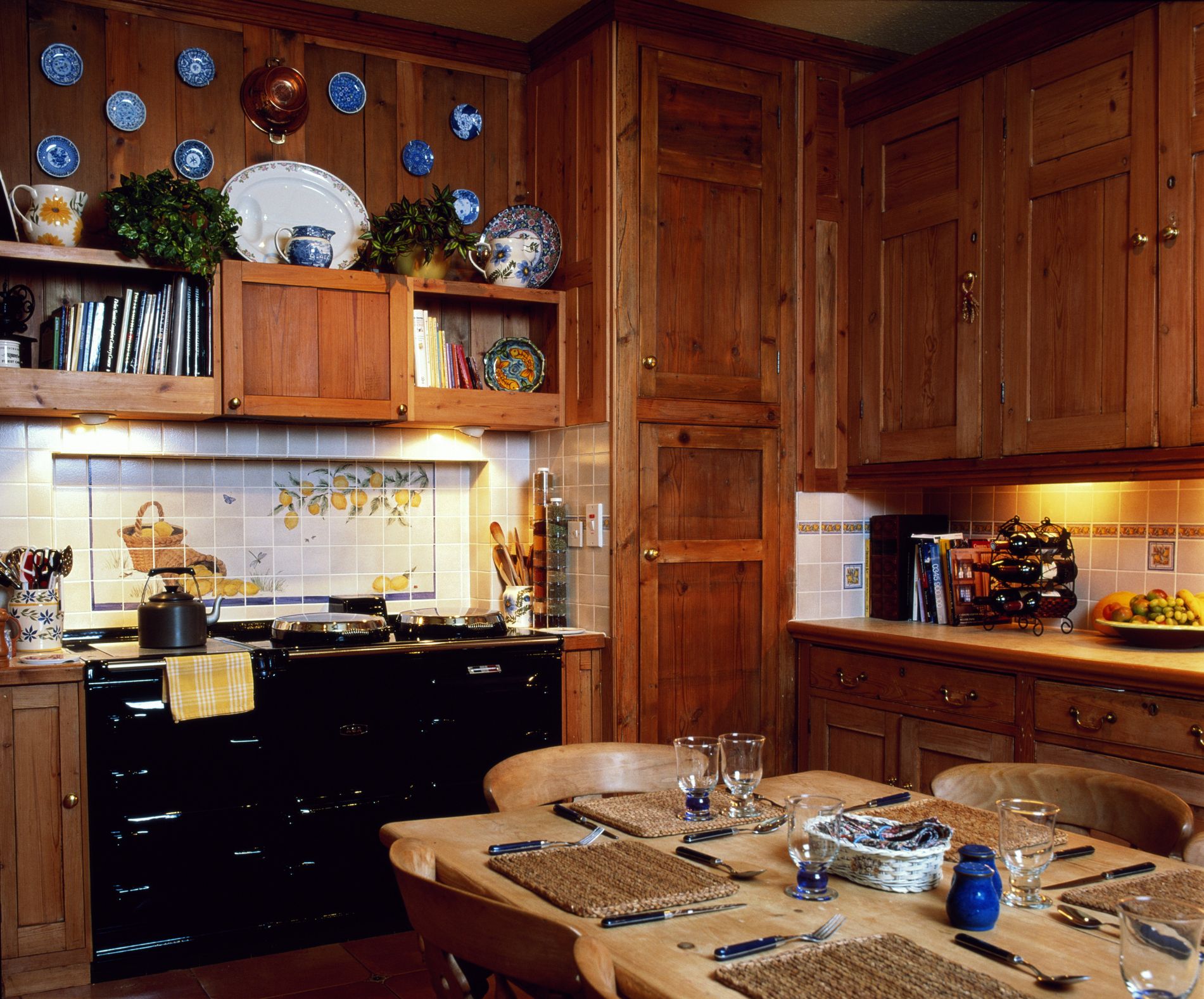
It was the pine tree's time to shine in the '90s, and everyone went wild over pine furniture. While most pine furniture looks almost antique to us now, in terms of quality, it sure beats Ikea's junk. Remember, the essence of a boombox was about more than just music; it was a rebellion and a quest for identity.
The "Old World" Trend
10 Instagram accounts for real vintage interior design inspiration - Buffalo News
10 Instagram accounts for real vintage interior design inspiration.
Posted: Wed, 08 Nov 2023 08:00:00 GMT [source]
In conclusion, 90s interior design brings a vibrant and nostalgic charm to modern spaces. We explored key elements such as vibrant color palettes, bold patterns, textured wall treatments, iconic furniture styles, retro lighting and accessories, and the integration of technology. By incorporating these elements, we can create energetic and personalized environments that pay homage to the iconic era. When it comes to creating a nostalgic atmosphere in interior design, lighting and accessories play a crucial role. The 90s brought forth several iconic lighting trends that are still remembered fondly today.
Floral Patterns
The 1990s heralded a transformative period in interior design, with minimalism emerging as a defining movement. This shift towards minimalism was not just a change in aesthetic preference but a profound cultural response to the preceding decade’s excesses. The 80s were marked by opulence, with bold patterns, heavy ornamentation, and a saturated palette dominating interiors.
The 5 Best Light-Bodied Red Wines for Extending Your Summer
What was traditionally patio furniture in previous decades made its way indoors in the 1990s. While they broke easily, ripped clothing, and left imprints on the legs of anyone who sat on them, wicker was so ubiquitous in the '90s that The New York Times even ran a full column on how to maintain it. You could hardly turn around in a department store furniture section without finding everything from beds to side tables wearing full-length—and often ruffled—skirts.
Pop culture memorabilia, such as action figures or posters of beloved TV shows, can instantly transport us back to the 90s. Chrome and glass were frequently incorporated, lending a touch of modernity and sophistication to various pieces. These materials added a sleek and reflective quality, enhancing the overall visual appeal. Additionally, bold prints made their mark in furniture design, with patterns like abstract motifs and animal prints making a statement. We don't think men were at the forefront of this trend (or most interior design trends of the '90s for that matter), and rooms occupied by every gender opted for soft colors.
These vibrant colors were often combined in unexpected ways, creating a dynamic and playful atmosphere. Levin often goes to lime plaster, travertine, or plywood when he’s looking for ways to add warmth and dimension to a space. Lime plaster (a type of high end plaster with lime mixed in), for example, produces amazing variations in texture and shade when applied to a wall. And while these trends remain rooted in their ‘90s counterparts, elements of each have been updated slightly to better fit contemporary aesthetics. In the case of travertine (a light, almost, beige-colored stone) Levin says people are gravitating more towards an unfilled look as opposed to the smooth Jerusalem Gold variety we saw so much of 20+ years ago. Unfilled travertine, “has cavities in it and looks more natural, which is relevant to today’s world in that people are trying to bring more natural and organic materials into their homes,” he says.
Botanical wallpaper
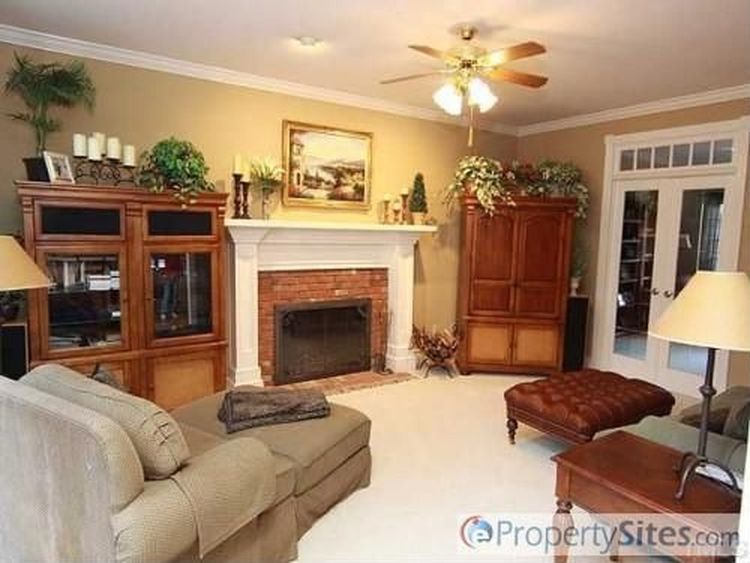
The cliché ivy design may have been a precursor to the decade's later floral explosion, and it wasn't much better. In a decade trying to distance themselves from the loud aesthetic of the '80s, the '90s toned it down with a new era of minimalism. This didn't mean the high design architecture of Le Corbusier but instead low key tones like beige and white.
Ways To Repurpose Your Silver Pieces!
In recent years, there have been several new and interesting techniques that have reinvigorated the material and made this old staple a modern favorite. Cool metals were everywhere in the 1990s, from light fixtures and furniture legs to kitchen backsplashes and hardware. Fast forward thirty years and the chrome decor trend is back, and I predict it is here for the long haul.
Real-life examples of successful 90s-inspired interior design projects serve as valuable sources of inspiration for those looking to infuse their spaces with a touch of nostalgia. One notable example is a loft apartment renovation that embraced the vibrant color palette and eclectic patterns of the 90s. The living area featured a bold teal sectional, geometric patterned throw pillows, and a mix of vintage and modern accessories. The transformation highlighted the energetic and playful essence of 90s interior design while incorporating contemporary elements for a fresh and balanced look. The 1990s was a decade of diversity and experimentation in interior design, setting the stage for the eclectic and personalized approaches we see today.
Mural art has become a popular choice for creating focal points and adding a unique artistic touch. Textured wallpapers with embossed patterns or raised designs have also gained traction, providing a visually captivating and tactile experience. Walls were dressed in daring hues, while furniture and accessories showcased a kaleidoscope of colors. The 90s also saw the rise of patterns, such as geometric shapes, florals, and bold stripes. Geometric patterns added a sense of structure and modernity to interiors, while florals introduced a touch of nostalgia and femininity. Bold stripes, whether on walls or textiles, made a powerful statement and injected a dose of visual interest.
Plus, there’s a waterproof variation called tadelakt as well which makes lime plaster a formidable alternative to tiling a bathroom. Since it’s quite expensive (and should only be applied by someone with knowledge on the material), lime wash paints and roman clay work well as economical alternatives. Remember, your goal with these accents is to create a light-hearted and cheerful environment that balances modern aesthetics with a retro vibe. Curtains with brightly colored beads or unique shapes like stars and flowers added an instantly recognizable 90s touch to any room. They were particularly popular in teens’ bedrooms, giving a somewhat bohemian flair.
Another inspiring case study involved the renovation of a suburban home’s entertainment room. The project showcased the integration of retro technology elements, such as a vintage record player, alongside modern audiovisual equipment. The room was adorned with neon signs, reminiscent of the neon trend from the 90s, and showcased a collection of movie posters from beloved 90s films. The result was a dedicated entertainment space that seamlessly blended nostalgia with contemporary functionality.
This celebration of the building’s ‘bones’ introduced a new kind of aesthetic that found beauty in raw and unfinished elements. The minimalist movement in the 90s was significantly influenced by traditional Japanese design and aesthetics, which emphasize simplicity, natural materials, and a deep connection with nature. The use of natural materials such as wood, stone, and bamboo in their most unadorned form further emphasized the minimalist ethos, bringing warmth and texture into the serene and pared-down spaces.
The boldness of neon colors should be used sparingly and intentionally to prevent overwhelming the eyes. Choose one or two neon pieces for a truly nostalgic feel, or pair them with pastels or white for a modern, toned-down spin on this eye-catching trend. From hot pinks to electric blues, these daring shades were splashed over walls, furniture, and decorative accents, creating an atmosphere of playful audacity that defined the decade. Upon entering the waterfront home, guests are greeted by a teal and pink living room featuring wall-to-wall carpeting, black accent pieces, and no shortage of bold patterns. Next door to this large, loft-style room is a similarly-styled dining room (complete with geometric seating), as well as sleek kitchens, shiny bathrooms, and brightly-colored bedrooms.
A house that telegraphs the right image completes the picture in a statement-making way. They've done homes for Steven Spielberg, Tom Cruise, Ryan Seacrest and the Kardashians. In conjunction with Friday's unveiling of the Design Hollywood at the Century showhouse, THR announces its first-ever list celebrating the stylemakers behind the entertainment industry's most glamorous homes. Echoing the criticism of out-of-town architects, Allen doesn’t yet see signs of architecture uniquely suited to San Diego. Even if architects enter the ‘90s with open minds, society isn’t hospitable to innovation, said architect Gary Allen, designer of San Diego Jack Murphy Stadium, one of the city’s few architectural masterpieces.



No comments:
Post a Comment